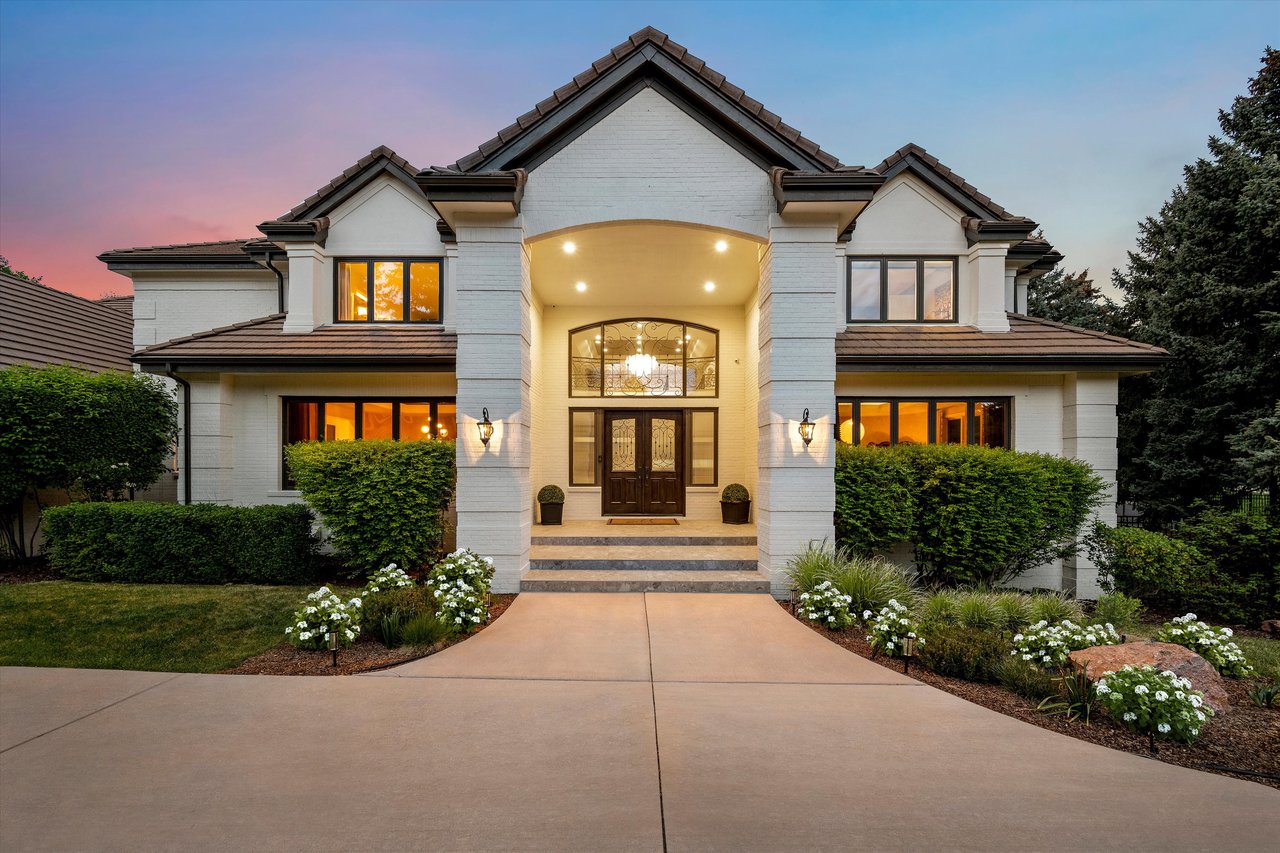

September was the month mortgage rates finally picked a direction, and it wasn't the one buyers were hoping for. According to the Denver Metro Association of REALTORS® (DMAR) September report, the 30-year fixed rate climbed every week of the month, ending near 7.5%. Mid-month, the Federal Reserve raised its benchmark rate for the first time since July 2023.
The headline number that followed was stark: 2,849 closed sales, the fewest September closings in DMAR records going back to 2008. But read past the headline and the story looks very different. Prices held, homes still sold close to asking, and the top of the market had one of its strongest years on record.
Here's what the data actually says heading into the fourth quarter, and why this may be one of the better windows of the year to make a move.
Fewer Sales, Steady Prices
The drop in closings is real. Sales fell about 21% from last September, and year-to-date closings now trail 2025 by roughly 5%. But volume and value are two different things, and value is holding remarkably well.
The year-to-date median close price for a detached home in metro Denver is $650,000, the same figure as each of the past two years. Since 2023, DMAR notes, the overall median has stayed within about 3% from year to year. Sellers are getting 98.45% of list price on average, slightly better than a year ago, and the median home spent 32 days on the MLS, down from 35.
It's also worth remembering that September's closings mostly went under contract in August, when rates were still near 6.7%. The full effect of the rate climb will show up in October and November, and DMAR is candid that softer numbers there wouldn't be surprising. Pending sales, the earliest signal, dipped about 6%: a measured pullback, not a retreat.
That's the pattern Denver has shown for four years now. Rates and policy keep surprising us. The market's response keeps being the same: fewer transactions, stable prices.
Luxury Isn't Waiting
If the broader market is catching its breath, the $1 million-plus segment is doing the opposite. While overall metro sales are down about 5% for the year, luxury closings are up roughly 2%, with 4,449 sales so far in 2026. Luxury sales volume has reached $7.30 billion, just shy of its 2022 peak.
These homes are moving quickly, too. Million-dollar-plus listings spent a median of 21 days on the MLS in September, versus 32 for the market overall. Detached luxury homes sold in a median of just 19 days. New luxury listings jumped about 12% from August, a sign that sellers at this level feel confident.
Perhaps most telling: luxury condos and townhomes are thriving even as the attached market struggles elsewhere. Year-to-date attached sales above $1 million are up about 6%, and the $2 million-plus attached tier is up 11%. September's highest-priced attached sale was in our own backyard, a $4.3 million cash purchase in Cherry Creek North.
This matches what we've been watching all year in Cherry Creek, Washington Park, and Cherry Hills Village. Well-prepared buyers at the top of the market aren't waiting for rates to cooperate. They're acting on the opportunities in front of them.
Two Markets Under One Headline
A metro-wide average hides the most important split in Denver right now: detached homes and attached homes are behaving like two different markets.
Segment | Months of inventory | Median close price | Year over year |
|---|---|---|---|
All metro homes | 4.76 | $575,000 | about −2% |
Condos and townhomes | 7.21 | $365,500 | −6.28% |
$1M+ (all types) | — | — | sales up 1.99% YTD |
At more than seven months of supply, the condo and townhome market favors buyers more than any other segment. HOA dues and rising insurance costs are weighing on this category, and sellers who price with those carrying costs in mind are the ones getting deals done. For buyers, it's a rare chance to negotiate in a part of the market that was fiercely competitive just a few years ago.
Why the Fourth Quarter Favors Buyers Who Keep Moving
Every year, a predictable thing happens in Denver between Halloween and New Year's. Inventory tapers, some sellers pull their homes for the holidays, and many buyers decide to wait for a "fresh start" in January. DMAR Market Trends Committee chair Amanda Snitker points out that buyers who stay active through this stretch face less competition than at any other time of year.
With rates in the 7% range, the conversation has also shifted. It's less about the sticker price and more about how the purchase is structured. Right now, these are all on the negotiating table:
- Rate buydowns, often funded by the seller, to lower your payment in the early years of the loan
- Seller-paid concessions toward closing costs
- Adjustable-rate loans for buyers who expect to refinance or move within a few years
The sellers still listed in November and December are, by and large, motivated sellers. Pair that with lighter competition and more room to negotiate terms, and the quietest season of the year can be one of the smartest times to buy.
What This Means for Sellers
Selling in the fourth quarter has its own advantage: less competition from other listings. The buyers touring homes in November are usually serious ones, often relocating for work or working against a deadline.
To win them, build flexibility into your strategy from day one. Sellers who price realistically and are ready to offer a rate buydown or closing-cost credit will find a ready audience. A modest concession can do more for a buyer's monthly payment than a price cut of the same size, and it keeps your sale price stronger.
If you're planning a spring listing, now is the time to prepare. Pre-listing inspections, repairs, and design updates take longer than most sellers expect. Starting in the fall puts you ahead of the March rush.
Our Take
The September numbers will make for gloomy headlines, and October and November may look softer still as higher rates work through the pipeline. But Denver's fundamentals haven't changed: prices are stable, homes are still selling near asking, and the luxury market is having one of its best years ever.
The opportunities this season don't depend on rates falling. They belong to the buyers and sellers who understand their specific segment, structure their deals creatively, and keep moving while others wait for January.
Wondering what the fourth quarter looks like for your home or your search? The Behr Team at Sotheby's International Realty specializes in Denver's most coveted neighborhoods. Contact us to talk through your strategy.
Sources
- DMAR Real Estate Market Trends Report, September 2026 (published Oct. 3, 2026)
- Colorado Association of REALTORS, September 2026 report (published Oct. 13, 2026)